Fixed rates for an initial period
Mortgage Rates UAE
Mortgage Interest Rates UAE
Mortgage interest rates have an effect on your repayment rate and loan cost. With Prime Rate Hub, buyers can compare mortgage interest rates of more than 25 banks in the UAE and learn about the differences between fixed and variable mortgage interest rates.
What Are Mortgage Interest Rates in UAE?
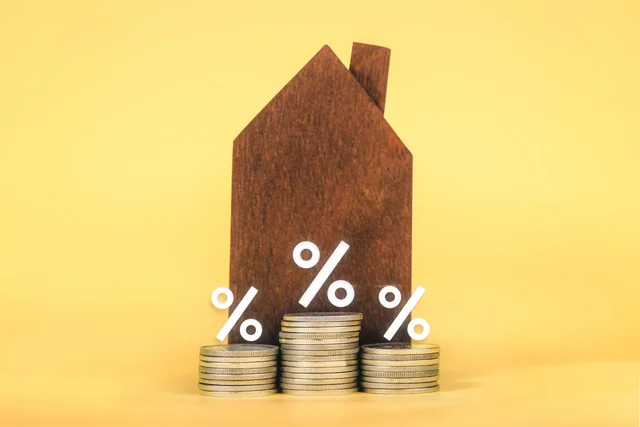
The mortgage interest rates in the UAE refer to the interest or profit that is charged by banks on loans extended to finance real estate purchases and refinances.
How Mortgage Interest Rates Work in UAE?
The mortgage interest rates in the UAE are usually provided in the form of fixed or variable. Fixed mortgage interest rates provide for keeping the interest rates at the same level for a certain period, usually from one to five years, while variable mortgage interest rates change in accordance with various market benchmarks like EIBOR. When the fixed period expires, most of the mortgage interest rate products will be changed to a variable type.
In the case of fixed-interest rate mortgages, the interest remains constant for 1-5 years. Variable-interest rate mortgages are calculated using EIBOR along with the mark-up provided by the lender, which means that the payments can go up or down according to the market conditions. The mortgages tend to become variable after the fixed interest rate period elapses.
What Affects Mortgage Rates
Mortgage rates offered by banks depend on several factors:
Two borrowers applying to the same bank may receive different offers.
Fixed vs Variable Mortgage Rates
The Rate Alone Is Not the Whole Story
Two clients approaching the same bank might have two different mortgage offers made to them.
Free Mortgage Eligibility Check
Planning to buy property in the UAE?
Prime Rate Hub offers a structured eligibility assessment based on your profile and selected building.
We work with the top banks in UAE







FAQ
Mortgage Rates
What is the mortgage rate in UAE at present?
UAE banks offer both fixed and variable mortgage rates for their customers depending upon their profiles and other factors.
What does EIBOR stand for?
EIBOR stands for Emirates Interbank Offered Rate.
Are mortgage rates in UAE fixed or variable?
Both fixed and variable mortgage rates exist in the UAE.
How often do mortgage interest rates change?
Variable interest rates will change when EIBOR changes.
What bank has the best mortgage interest rate?
It depends on the borrower’s qualifications and what is being offered in the market.
Can one change their mortgage interest rate to a better one?
Yes. This could be done through refinancing or a mortgage buyout.
Which is better between fixed and variable interest rates?
Fixed rates offer stability, while variable rates may offer savings when market rates fall.